The Collapse of Trust series is a four-volume interdisciplinary nonfiction series, blending history, political theory, and cultural analysis to explore how and why Americans are losing faith in their institutions — from citizenship and conspiracy to legitimacy and judgment. At once diagnostic and synthetic, the series culminates in The Collapse of Trust, a capstone work that integrates the foundational arguments of the preceding volumes—The Allegiance Paradox, Legitimate Distrust, The Theater of Trust, and Overruling Common Sense.
Rather than claiming democratic collapse, the series traces a more subtle and pervasive unraveling: legitimacy strained by ethical drift, symbolic governance, epistemic distortion, and the recursive performance of trust itself. Combining analytical depth with public clarity, it offers a cohesive framework for understanding how mistrust spreads—not through crisis alone, but through the accumulation of quiet fractures.
Designed with intellectual consistency and visual sobriety, the series bridges academic inquiry and civic reflection at a time when trust is both contested and consequential.
Book One – The Allegiance Paradox
Beyond the Law: How Ethical Erosion and Policy Drift Undermine American Citizenship (2025)
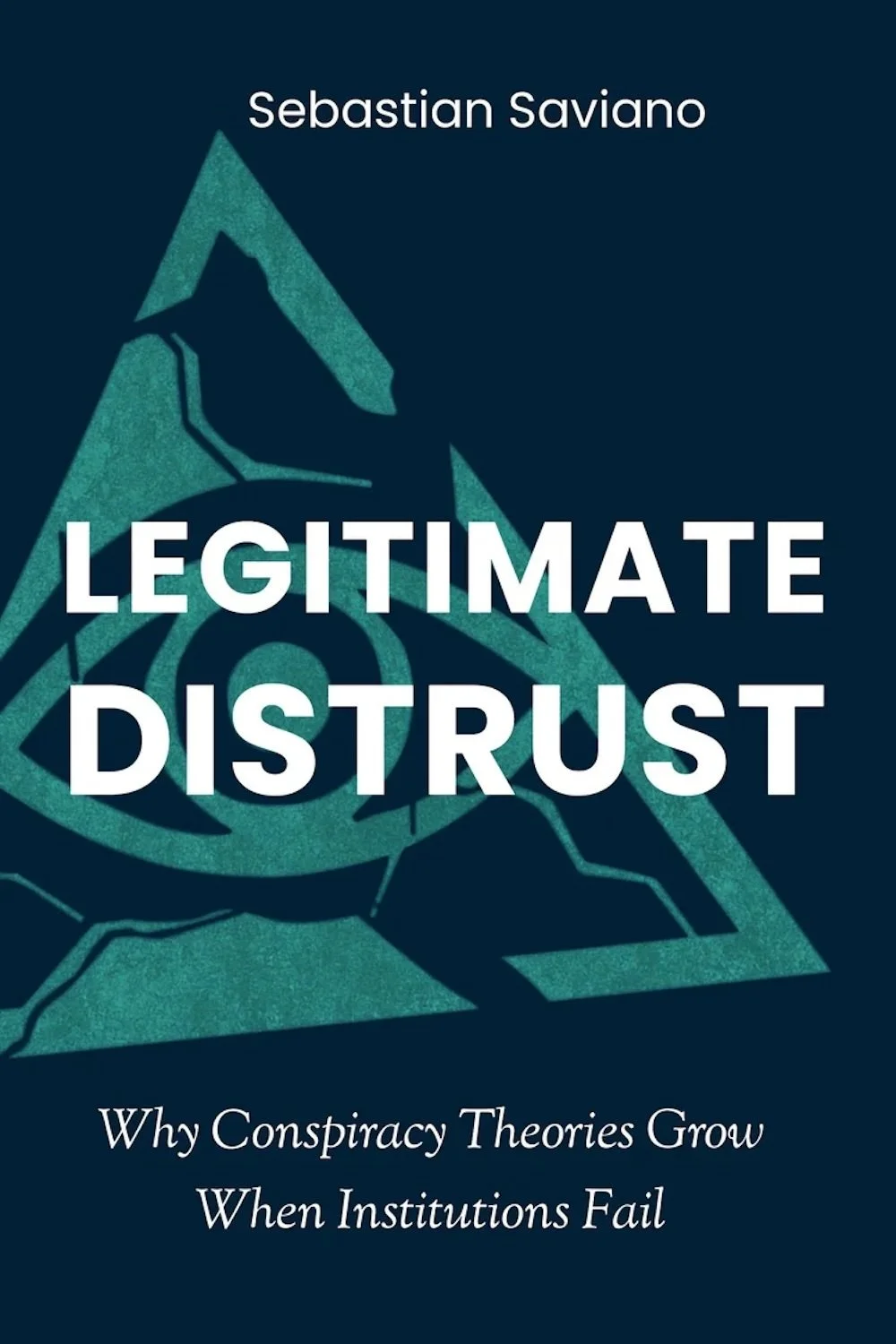
Book Two – Legitimate Distrust
Why Conspiracy Theories Grow When Institutions Fail (2026)
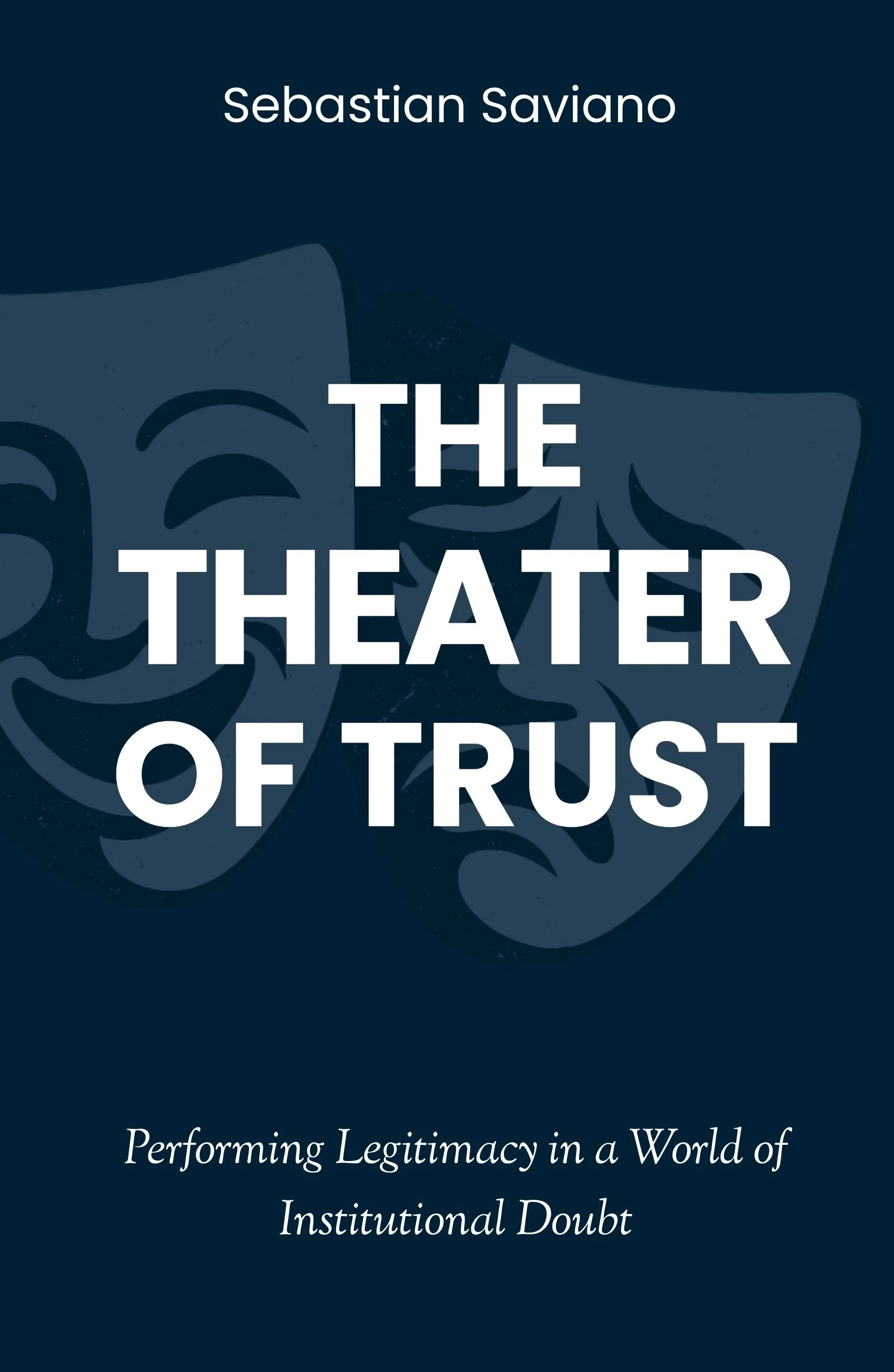
Book Three – The Theater of Trust
Performing Legitimacy in a World of Institutional Doubt (2027)
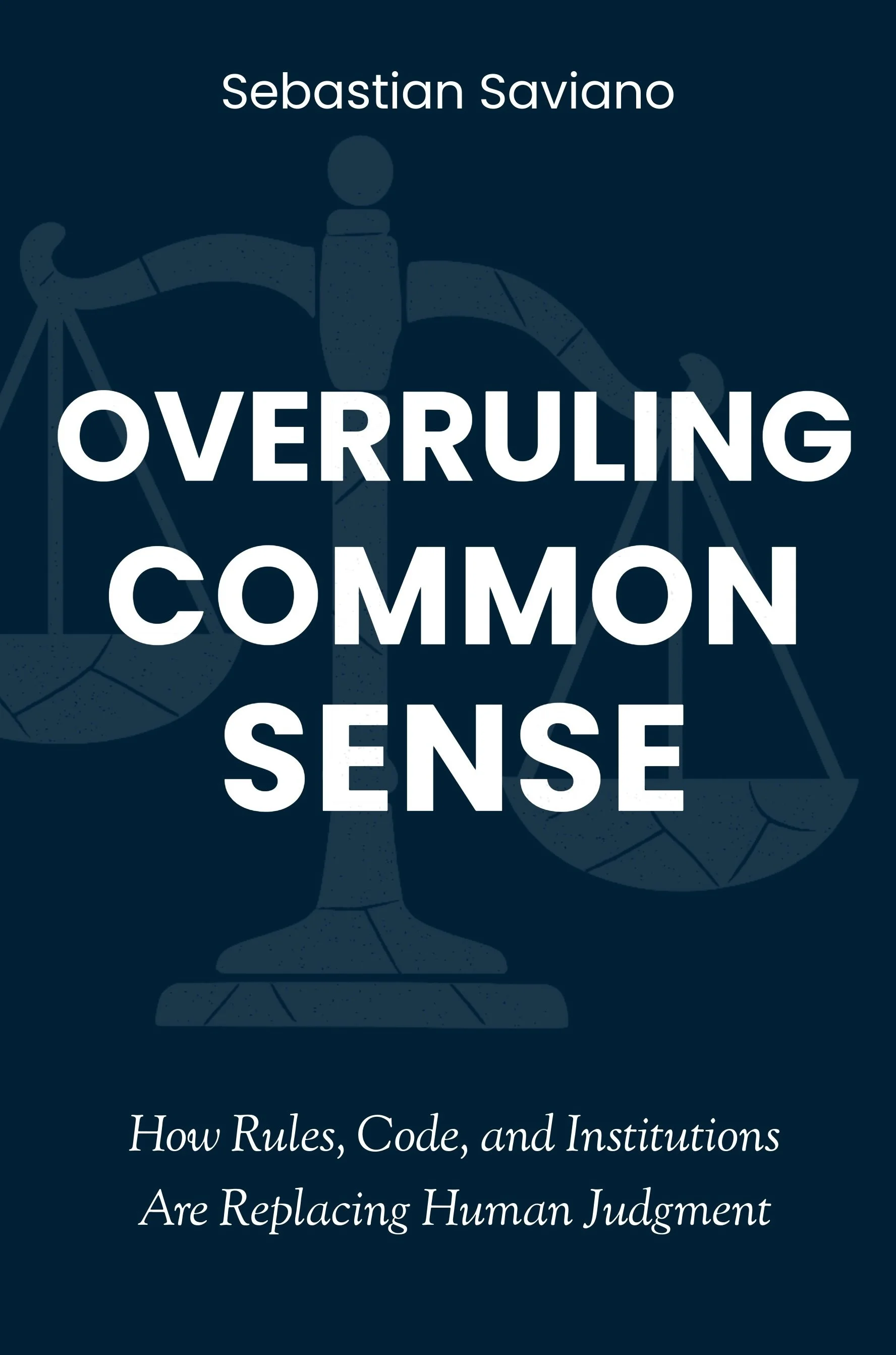
Book Four – Overruling Common Sense
How Rules, Code, and Institutions Are Replacing Human Judgment (2028)
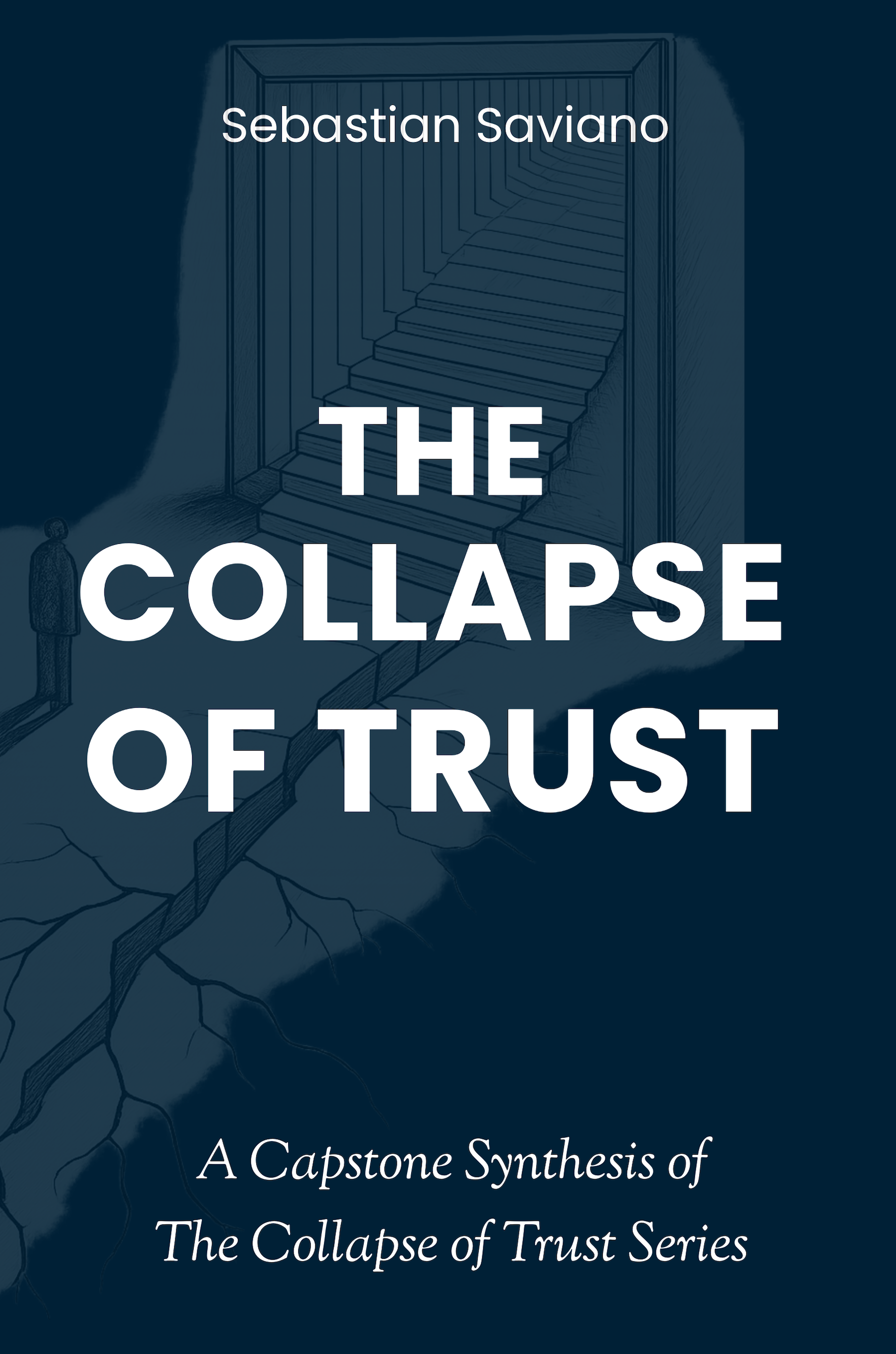
The Collapse of trust
A Capstone Synthesis of The Collapse of Trust Series (2028)
This capstone volume offers a comprehensive synthesis of the four-volume Collapse of Trust series, integrating insights on the breakdown of civic allegiance, institutional integrity, symbolic authority, and judgment-based governance. The Collapse of Trust weaves together cultural critique, legal theory, ethical reflection, and structural analysis to examine how mistrust becomes systemic. Serving as both a standalone work and a conceptual bridge, it explores recursive legitimacy, algorithmic governance, and the structural path toward civic renewal in an age of democratic fragmentation.